KDP Coloring Pages Bundle Pack 28 for Embroidery Use
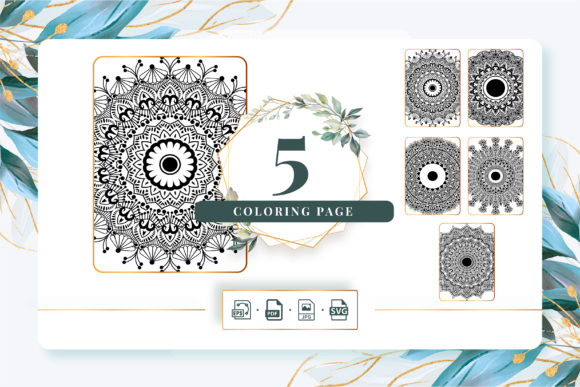
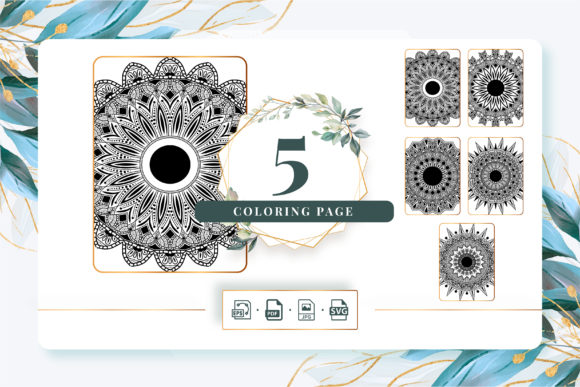
When I first opened the KDP Coloring Pages Bundle Pack 28, I wasn't looking at it the way a coloring book publisher would. I was looking at it through the lens of thread, fabric, stitch direction, and how a finished mandala would actually feel under a customer's fingertips. That's the difference between admiring a graphic on a screen and deciding whether it's worth turning into a stitched product that someone will wear, gift, or display in their home. This bundle of five high-detail mandala designs immediately sparked a few concrete project ideas, but it also raised the kind of practical questions every embroidery designer should ask before committing needle to fabric.
The Mandala Mood That Sells Handmade Products
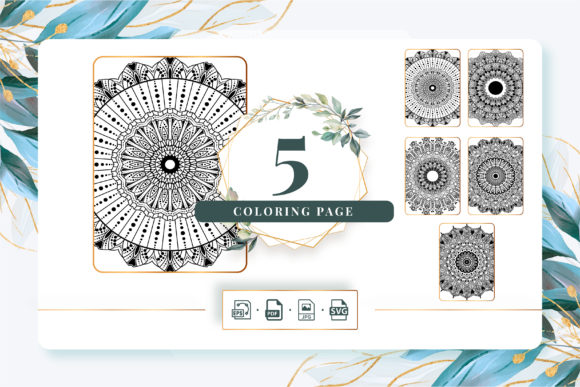
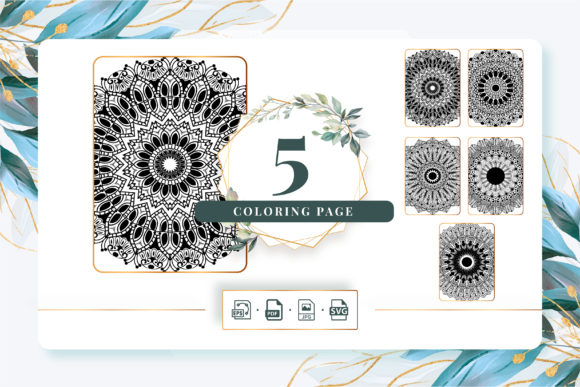
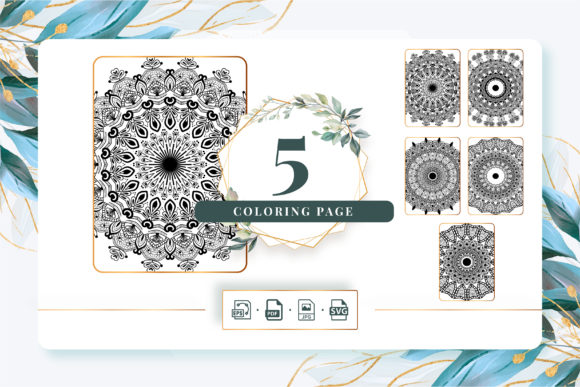
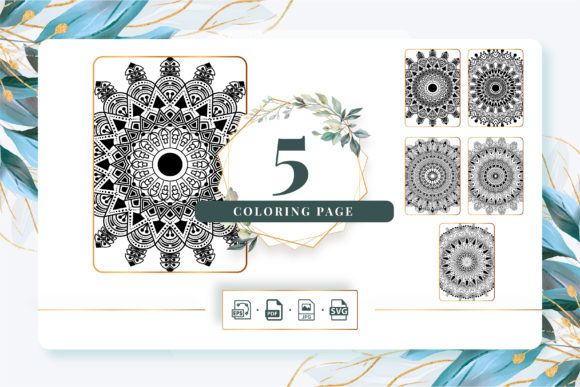
Mandalas have a staying power in the handmade market that few other design themes can match. They feel meditative, intentional, and slightly upscale without being pretentious. The KDP Coloring Pages Bundle Pack 28 leans into that mood with five distinct circular compositions, each one dense with layered petals, geometric rings, and rhythmic linework. When I scroll through the designs, I can already picture how a carefully digitized version would look on a natural linen tote bag or centered on the back of a soft cotton sweatshirt. There's a symmetry here that reads as professional and balanced, the kind of visual harmony that makes a customer pause while scrolling through Etsy listings.
What sets this bundle apart from simpler mandala graphics is the level of detail. These aren't sparse outlines. They're intricate, multi-ringed designs that, if translated well into embroidery, would create a richly textured, almost dimensional surface. For a small shop product or a personalized gift, that kind of visual density often translates directly into higher perceived value. A customer looking at a finished tote bag or pillow cover with a densely stitched mandala tends to see craftsmanship, not just decoration.
Real Project Thinking
Let me walk you through a real scenario that came to mind while reviewing the KDP Coloring Pages Bundle Pack 28. I'm currently preparing a small batch of custom embroidered tote bags for a local boutique's spring collection. The owner wants something that feels artisanal, something that would catch the eye at a craft fair but also hold up to daily use. A mandala design makes perfect sense here. It's gender-neutral, appeals across age groups, and works beautifully on a flat, stable surface like a canvas tote panel.
I pulled up one of the five mandala designs from the bundle, the one with the most even spacing between its concentric rings. On screen, it looks balanced. The negative space between the detailed sections would allow the fabric to breathe, which matters a lot when you're stitching on medium-weight cotton canvas. Too much continuous fill stitching on a tote bag can make the fabric stiff and prone to puckering. This particular mandala's open-center structure suggests it would digitize into a mix of satin stitch outlines and lighter fill stitch sections, with enough air between elements to keep the fabric draping naturally.
But here's where the practical designer brain kicks in. These mandalas were originally created as Coloring Pages Amp graphics, meaning they were designed for print, not thread. The line density that looks gorgeous on a printed page can become a nightmare if you simply auto-digitize it without adjustment. I would need to test each design on scrap fabric first, probably simplifying some of the tiniest inner-ring details that would turn into thread blobs at anything smaller than a large hoop size. That's not a flaw in the bundle. It's just the reality of working across mediums.
Where These Mandala Designs Would Shine
If I were mapping out product categories for the KDP Coloring Pages Bundle Pack 28, here's where I'd place my bets:
- Oversized sweatshirt backs — A large hoop can accommodate the full mandala, and the flat surface takes dense stitching well with proper cutaway stabilizer.
- Linen or cotton tea towels — A single mandala centered near the bottom edge creates an elevated kitchen gift that feels boutique-quality.
- Canvas tote bags — As mentioned, the stable weave and flat panel make totes one of the most forgiving surfaces for detailed circular designs.
- Decorative pillow covers — A mandala stitched in a monochromatic thread on a textured natural fabric like raw silk or heavyweight linen would sell well as home decor.
- Patches for jackets or denim — If you reduce the design to a smaller hoop size and simplify the innermost details, you could create embroidered patches with a boho, festival-ready look.
I'd be more cautious about using these on highly textured fabrics like terry cloth, stretchy garments like baby onesies without proper backing, or curved surfaces like caps where the circular symmetry could distort. The intricate outer rings of these mandalas demand a flat, stable embroidery field. If you're planning custom apparel on thin t-shirts, I'd strongly recommend testing one mandala on a similar fabric weight before committing to a full production run.
Visual Impact and Customer Trust
One thing I've learned selling handmade products online and at markets is that buyers make split-second judgments based on visual complexity. An embroidered piece that looks intricate and carefully executed signals quality before the customer even touches it. The KDP Coloring Pages Bundle Pack 28 mandalas, with their layered structure and dense detailing, naturally create that impression. Even a single-color thread execution, say a deep indigo on cream canvas or a warm terracotta on natural linen, would read as sophisticated and intentional.
For Etsy sellers and small shop owners, the presentation matters as much as the product. These mandala designs photograph well because their symmetry creates a strong focal point. A well-lit flat lay of an embroidered tote bag with a centered mandala, styled with a few dried botanicals or a simple leather strap detail, would stop a scroll. The design itself does a lot of the marketing heavy lifting, which is exactly what you want from a design asset you're investing time and thread into.
Thread Color Strategy and Fabric Testing
Before you load the hoop, there's a testing phase I always recommend, and it applies squarely to the KDP Coloring Pages Bundle Pack 28. First, print the mandala design at actual embroidery size on paper and hold it against your fabric. Check how the detail level reads at real scale. What looks crisp at 10 inches might blur into confusion at 4 inches. Second, run a stitch-out on a scrap of the same fabric you'll use for the final product. Pay attention to the innermost rings. If the thread starts piling up or the needle perforates the fabric too densely, you'll need to simplify those sections in your digitizing software.
Thread color is another variable that can make or break the finished piece. Dark thread on dark fabric will lose the intricate detail that makes mandalas special. If you're working on a black sweatshirt, consider a metallic or contrast thread that lets the concentric rings read clearly. On light fabrics, a tonal thread in a slightly darker shade than the fabric creates a subtle, elegant effect that works beautifully for home decor items. On the other hand, a multicolor approach, where each ring uses a different hue, can turn the mandala into a vibrant statement piece, perfect for festival wear or children's room decor.
Stabilizer Choices and Hoop Considerations
The KDP Coloring Pages Bundle Pack 28 mandalas, if digitized faithfully, will involve a lot of stitch density. That means your stabilizer choice is not optional. For tote bags and sweatshirts, I use a medium-weight cutaway stabilizer and don't skimp on the basting. For tea towels and lighter linens, a quality tear-away with a water-soluble topper can prevent the stitches from sinking into the fabric texture. For patches, a heavy cutaway is essential, especially if the patch will be sewn onto denim or a jacket that gets regular wear.
Hoop size is another reality check. The full mandala designs in this bundle are likely going to need a large hoop, think 8x8 inches or larger, to preserve the outer ring detail. If your machine maxes out at 4x4, you'll either need to select a partial section of the mandala for stitching or accept that some of the outer detail will be lost. I'd recommend checking the actual dimensions of each Graphics file in the bundle before planning your project, since the original product description doesn't specify exact sizing. That's a quick step that saves frustration later.
Commercial Use and Licensing Reality
One of the most important questions I ask before using any design assets in products I plan to sell is about licensing. The KDP Coloring Pages Bundle Pack 28 is positioned as a KDP template graphic, meaning it's intended for use in printable coloring books on Amazon's platform. If you're planning to digitize these mandalas for commercial embroidery and sell the finished products, you need to confirm that the license allows derivative physical products. Don't assume. Check the terms. If the license only covers print-on-demand book content, you may need to contact the creator for extended permissions before stitching these onto goods you'll sell at a craft fair or in your online shop.
This isn't legal advice, just practical experience. I've seen too many small business owners invest time and materials into a design only to discover later that their license didn't cover the intended use. The KDP Amazon ecosystem has its own rules, and what works for a coloring book interior doesn't automatically transfer to a stitched physical product sold under a different brand.
Final Practical Thoughts Before You Stitch
If you're an embroidery designer, a craft business owner, or a creative entrepreneur looking at the KDP Coloring Pages Bundle Pack 28, here's what I'd leave you with. The five mandala designs are genuinely well-structured for visual impact. They have the kind of balanced, detailed, symmetrical composition that embroidery customers respond to and that photographs beautifully for online listings. The circular format is versatile across product types, and the layered detail creates opportunities for creative thread choices, from monochrome minimalism to full-spectrum color.
But the practical side matters just as much. Test the design on your fabric first. Check your hoop size. Choose your stabilizer based on the fabric, not the design alone. Simplify the tiniest details in your digitizing software if the stitch-out shows clumping or excessive density. Verify the license covers your intended use. And if you're working with small hoop sizes, be prepared to adapt rather than force the full design into a space it won't fit.
The KDP Coloring Pages Bundle Pack 28 is a solid starting point for machine embroidery design projects, especially if you're building a product line around handmade products that feel thoughtful, artistic, and a little bit timeless. I can see these mandalas living on tote bags at a weekend market, on pillow covers in a cozy home collection, or on sweatshirts that become someone's favorite comfort piece. The bones are good. The rest is up to your needle, your thread, and your judgment.