Flowers Coloring Book for KDP VOL1: A Stitcher's Honest Take
I opened the Flowers Coloring Book for KDP VOL1 KDP file with a specific project in mind. A client had asked me to create a set of embroidered linen tea towels for her boutique, something floral but not overly fussy, with enough breathing room that the stitching would read clearly from across a market booth. The title suggested coloring book pages, which immediately made me think of clean line art, bold outlines, and compositions designed to be filled in. That silhouette-first approach often translates beautifully to embroidery, where stitch definition can make or break a finished piece. What I found inside was a collection of floral illustrations that felt thoughtfully composed for the KDP world, but I needed to figure out whether they could hold their own under needle and thread.
First Impressions of the Floral Collection
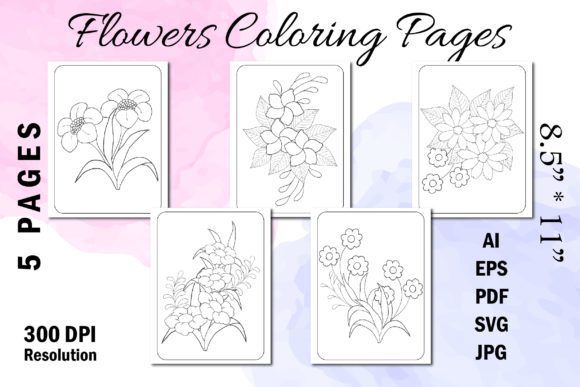
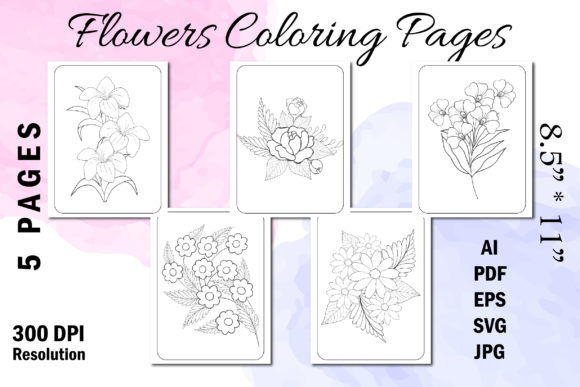
The Flowers Coloring Book for KDP VOL1 KDP carries a certain gentle, approachable charm. These are not hyper-realistic botanical studies. They lean into the pleasant, rounded, slightly whimsical territory that coloring book enthusiasts genuinely enjoy. Each flower arrangement has a clear focal point, petals that curve with enough repetition to feel rhythmic, and leaves placed with obvious intention. From an embroidery designer's perspective, I noticed the line weights varied pleasingly across the compositions. Some sections had thicker, bolder outlines that would translate well into a satin stitch border, while finer interior details suggested opportunities for delicate running stitch work or subtle fill stitch texture. The mood felt warm, handmade, and quietly celebratory, the kind of floral that works equally well on a child's bib as it does on a grown-up's market tote.
I spent a good twenty minutes scrolling through the pages, mentally placing each design onto different products. One round, clustered bloom felt instantly right for a set of embroidered pillow covers. A trailing vine with small buds made me reach for my patch blanks. The collection has a cohesive personality without being repetitive, which matters when you are building a small product line and want visual consistency across a handmade product range.
When a Coloring Book Template Meets Embroidery Reality
Let me address the obvious point right away. The Flowers Coloring Book for KDP VOL1 KDP is exactly what it says it is: a template collection designed for Amazon KDP publishing, categorized under Coloring Pages Amp and delivered as a Graphics product. These are not digitized embroidery files. There are no stitch maps, no machine-readable formats, and no thread color assignments baked into the download. If you are an embroidery designer hoping to unzip a folder and immediately load a PES or DST file onto your machine, that is not what this product offers. The description says it is perfect for your coloring book business, fully tested on the KDP platform, and ready for you to add your own cover and upload. That is precisely its design purpose.
However, for an embroidery professional who digitizes their own work, these graphics act as a strong artistic starting point. Think of them as clean, well-structured reference artwork. I took one of the simpler floral motifs and brought it into my digitizing software. The lines were crisp enough that auto-tracing produced a usable base path, though I did need to manually adjust node placements for smoother stitch angles. The composition was already balanced, saving me the headache of rearranging elements to fit a standard hoop shape. For a digital embroidery file creator, good source art is half the battle, and this collection delivered on that front.
Testing the Design on a Real Custom Apparel Project
I chose a medium-sized daisy-like bloom with layered petals and a neat circular center. The plan was a custom apparel piece: a soft cotton sweatshirt in a warm oatmeal color, with the flower embroidered on the upper left chest. Before committing to the final garment, I ran a test on scrap quilting cotton using a medium-weight cutaway stabilizer. The design digitized well with a combination of satin stitch outlines and a light fill stitch for the petal interiors. Thread color selection took some thought. I landed on a muted coral for the petals, olive green for the leaves, and a soft golden yellow for the center, colors that felt pulled from a vintage botanical print and suited the personalized gift quality my client wanted.
The stitching took about forty minutes on a single-needle machine. The bold outlines from the original coloring book aesthetic translated into crisp, readable edges. Even from a few feet away, the flower shape was instantly recognizable. That matters for sweatshirt embroidery, where designs compete with fabric texture and body movement. The petals maintained their individual character without blurring into a single blob, a common problem when floral designs get too intricate for thread. The stitch density felt appropriate for a garment that will see regular washing, and I was satisfied with how the design held its structure.
Where This Floral Artwork Shines in Embroidery Applications
After testing several motifs from the Flowers Coloring Book for KDP VOL1 KDP collection, I can see several clear winners for embroidery use. The designs with open, uncluttered centers and distinct petal separations work best for tote bag design projects. A single large bloom centered on a canvas tote creates an immediate boutique feel. Smaller floral sprigs with leaves and buds are ideal for embroidered patch production, especially when you want to build a coordinated patch set for a craft business. I also found a few designs that would translate beautifully onto baby embroidery items like bibs, onesies, and small blankets, where the gentle, rounded shapes feel age-appropriate and sweet without being overly cartoonish.
For Etsy seller purposes, having a cohesive floral collection to draw from means you can offer matching sets across different product types. A customer who buys a floral sweatshirt might return for the matching tea towel or pillow cover. The visual continuity across products builds brand consistency, and buyers respond to that recognition. I also appreciated that the designs are simple enough to preview in black and white printable mockup form, which helps when listing items before you have physically stitched every variation.
Projects That Demand Extra Care and Caution
Not every design in this collection will suit every embroidery scenario. The more detailed pages, with tiny petals, overlapping thin stems, and small negative spaces, are likely to cause trouble on small hoop sizes. When you shrink a complex floral down to fit a four-inch hoop, those delicate interior lines can turn muddy or require stitches so tiny that the thread builds up and creates a stiff, uncomfortable patch on the fabric. I would steer clear of the highly detailed designs for baby clothes where softness and flexibility matter most. A dense embroidery on a thin onesie is a recipe for a cranky baby.
Textured fabrics like terry cloth, fleece, or loosely woven linen also present a challenge for the finer-lined designs. The nap of the fabric can swallow small stitch details, leaving you with an indistinct shape. For towels or blankets, I would select only the boldest, simplest blooms from the collection and scale them up generously. Stretchy fabric on t-shirts and leggings requires extra stabilizer planning, and the designs with solid filled sections may need underlay adjustments to prevent puckering. Dark fabric backgrounds demand careful thread color contrast, and I recommend testing your chosen palette on a scrap of the actual fabric before committing to the final stitch-out. What looks vibrant on a white screen may fade into a navy sweatshirt if the thread values are too close.
Practical Embroidery Designer Notes for Real-World Use
If you decide to use the Flowers Coloring Book for KDP VOL1 KDP as embroidery source material, here is the workflow I recommend. First, test the design on scrap fabric first. Always. Even if you have digitized hundreds of floral designs, each new artwork brings its own quirks. Check thread color contrast against your intended fabric, and review stitch density carefully. A design that looks airy and light as a coloring page may become unexpectedly heavy once digitized if you are not deliberate about reducing fill stitch density. Confirm hoop size before you start digitizing. Some of the larger compositions in this collection are beautiful but may require a hoop larger than what many home machines offer.
I also strongly suggest inspecting small details at full embroidery scale. Zoom in on the artwork and check whether tiny leaves, thin stems, or small buds will actually stitch cleanly at your chosen size. If a detail is under two millimeters wide, it may not survive the embroidery process. Test your digitized version in black and white mockups to see how the design reads without color, because on a finished product, lighting conditions vary and you want the shape to hold its own. Compare light and dark fabric backgrounds to understand how the design's personality shifts. A floral that feels soft and romantic on cream linen can feel bold and graphic on charcoal canvas.
Use the proper stabilizer for your fabric type. For woven cottons, a medium cutaway works well. For knits, you may need a fusible mesh or a heavier cutaway to prevent distortion. Consider whether the design will work for both personal and commercial embroidery projects, and always confirm licensing before selling finished items or digital products. The product description for this collection focuses on KDP use, so if you plan to sell embroidered items featuring these designs or resell digitized versions, you must verify with the original creator what commercial rights are included. Do not assume that a graphics purchase automatically grants embroidery resale rights.
How the Design Affects Product Value and Customer Trust
From a business standpoint, the floral designs in this collection can genuinely elevate a handmade product when used thoughtfully. Customers recognize and respond to floral motifs. They associate them with care, tradition, and quality. A well-stitched floral tea towel, a crisp embroidered tote, or a sweet floral patch on a baby blanket all communicate attention to detail. When your finished product looks clean and intentional, buyer engagement increases. Reviews improve. Repeat customers come back. The giftability factor rises considerably when the embroidery feels like a deliberate design choice rather than a generic clip-art afterthought.
For craft fair products and boutique branding, the vintage-adjacent, friendly floral style of this collection fits a wide range of aesthetics. It works for farmhouse-style kitchens, cottagecore lovers, children's nurseries, and spring holiday gift lines. The versatility means you can stretch the artwork across multiple product categories without it feeling forced. A small shop product line built around a cohesive floral theme has a professionalism that sets it apart from a random assortment of mismatched designs. That cohesion builds customer trust faster than almost anything else.
Final Stitch Notes on a Thoughtful Floral Resource
The Flowers Coloring Book for KDP VOL1 KDP surprised me in the best way. I expected a straightforward coloring book template, and I got a carefully composed floral collection that, with proper digitizing attention, can produce genuinely lovely embroidery work. The designs lean into the strengths of bold outlines and clear shapes, which happen to be exactly what embroidery needs to read well on fabric. The collection is not a plug-and-play embroidery solution, and it does not claim to be. It is a design assets resource, and for the embroidery designer who digitizes their own patterns, it offers a strong foundation for machine embroidery design creation.
If you are a craft business owner, a digital product seller, or a creative entrepreneur looking for floral artwork to build into holiday embroidery, personalized gift lines, or boutique product collections, this set is worth a serious look. Just remember to check your licensing, test your stitch-outs, and choose the simpler, bolder designs for your most forgiving, beautiful results. The flowers are ready. Your needle just needs to meet them halfway.