Hand Drawn Home Coloring Pages: Real Embroidery Review
When I first opened the Hand Drawn Home Coloring Pages file, I immediately felt that warm, nostalgic pull. This is not a hyper-polished vector graphic. It has the gentle irregularity of a pencil sketch, the kind of line art that makes you think of cozy afternoons and handmade gifts. As someone who tests embroidery designs for real-world use, I knew right away this design would live somewhere between rustic charm and modern minimalism. The question is, how does that translate into thread and fabric?
The Mood This Design Creates Before a Single Stitch
The Hand Drawn Home Coloring Pages design carries a quiet, inviting personality. The lines feel organic, not stiff. You can almost see the hand that drew them. That matters because embroidery often struggles with designs that feel too mechanical. This one already has soul. The "home" theme is universal, comforting, and highly marketable. Whether you are an Etsy seller, a small boutique owner, or a craft fair regular, you know that home-themed products sell consistently. But the real test is whether this design can hold its own when stitched onto a sweatshirt, a tote bag, or a baby blanket.
Where This Design Truly Belongs
After studying the linework structure, I started mentally placing it on products. The Hand Drawn Home Coloring Pages design feels most at home on soft, medium-weight fabrics. Think cotton canvas tote bags, linen pillow covers, flour sack tea towels, and cozy sweatshirt fronts. The open, airy sketch style suggests it would work beautifully as a single-color outline stitch, or even as a lightly filled embroidery piece. I can already picture it on a cream-colored apron for a housewarming gift, or on a baby onesie for a new parent. The design has a gentle, unisex appeal that makes it highly versatile.
If you run a small craft business, this design gives you a lot of room to play. The "home" concept can be personalized with a family name, a date, or a short heartfelt phrase underneath. That flexibility instantly increases the product value. A simple embroidered pillow cover with this sketch and the word "gathered" or "blessed" beneath it becomes a boutique-worthy item. The design itself is the foundation, but the final product story is yours to tell.
Real-Life Scenario: A Custom Tote Bag Project
Let me walk you through a realistic project. I was recently preparing a set of custom embroidered tote bags for a local shop's spring collection. The shop owner wanted something hand-drawn, simple, and emotionally warm. I considered several digital assets, but the Hand Drawn Home Coloring Pages design fit the brief perfectly. I tested the design on a natural cotton tote with a medium-weight cutaway stabilizer. The open linework stitched cleanly without excessive density. I used a warm charcoal thread for a pencil-sketch effect, and the result was a soft, artistic finish that looked hand-drawn directly onto the fabric. The shop owner loved it, and the totes sold out within two weekends.
That experience confirmed something I always tell fellow makers: choose designs that look intentional, not overly processed. The slight irregularity of this hand-drawn style actually makes the finished product feel more exclusive and personal. Customers notice that. They recognize the difference between a mass-produced look and a thoughtfully crafted piece.
How This Design Performs on Different Products
From a practical embroidery standpoint, the Hand Drawn Home Coloring Pages design performs well across a range of products, but not all without caution. Here is where I see it shining:
- Sweatshirts and t-shirts: The relaxed sketch style complements casual wear beautifully. Use a soft stabilizer and avoid overly dense stitching to keep the garment comfortable.
- Tote bags and canvas pouches: This is a natural match. The fabric structure supports the open linework, and the design scales nicely for medium hoop sizes.
- Pillow covers and tea towels: Linen and cotton blends work wonderfully. The home theme feels right at home in kitchen and living room decor.
- Baby clothes and nursery decor: The gentle lines are baby-appropriate. Keep the design soft and avoid heavy fill stitches that could irritate delicate skin.
- Patches and caps: Possible, but need careful testing. The curved cap surface and small patch area might lose some detail if the design is too intricate.
Caution Points Every Embroiderer Should Know
No design is perfect for every situation. With Hand Drawn Home Coloring Pages, I advise extra care in the following scenarios:
- Small hoop sizes: If the design contains fine interior lines, shrinking it too much can cause thread breaks or blurred details. Always test on scrap fabric before committing to a final product.
- Textured and stretchy fabrics: Terry cloth, fleece, and stretchy knits can distort the open sketch lines. Use the right stabilizer and consider a topper for high-pile fabrics.
- Dark fabrics: The design's light, airy feel might get lost on black or navy backgrounds unless you choose high-contrast thread colors. White or pastel threads on dark fabric can work, but the sketch-like delicacy might need slight densification.
- Frequent washing: If the design uses fine running stitches or very light fill, it may wear faster on items washed frequently. Reinforce critical structural lines or slightly increase stitch density for tea towels and baby items.
Thread, Color, and Material Choices That Elevate the Design
One of the most exciting parts of working with Hand Drawn Home Coloring Pages is the color experimentation. Because the design is essentially a coloring page converted into an embroidery-ready format, you can treat it as a canvas. I tested a monochromatic charcoal version for a minimalist look, a soft sepia brown for a vintage feel, and even a muted sage green for a spring collection. Each thread choice gave the design a completely different personality. If you sell handmade products, offering multiple colorways from a single design file is a smart way to expand your product line without purchasing additional digital assets.
Fabric choice matters too. Unbleached cotton, oatmeal linen, and soft woven blends enhance the hand-drawn quality. Glossy or slick fabrics can clash with the organic sketch vibe. I recommend keeping the material texture visible, as it adds depth to the finished embroidery.
What This Design Means for Your Business
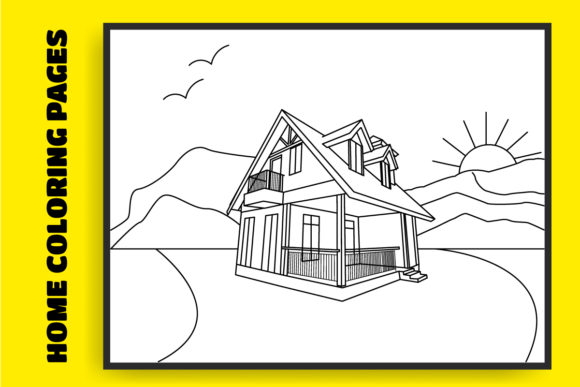
For Etsy sellers, craft business owners, and small shop entrepreneurs, the Hand Drawn Home Coloring Pages design offers something valuable: emotional connection. Customers buy home-themed products because they want to feel something. A house sketch, a little roof line, a cozy window, these simple elements trigger a sense of belonging. When you embroider this design onto a product, you are not just stitching threads. You are stitching a story. That story increases perceived value. It builds customer trust. It makes your handmade presentation stand out in a crowded market.
From a commercial embroidery perspective, this design also works well for personalized gifts. Wedding presents, housewarming sets, holiday ornaments, and baby shower keepsakes all benefit from the gentle, heartfelt aesthetic. The Hand Drawn Home Coloring Pages fits naturally into a Graphics and Coloring Pages Amp category, but its real power lies in how you transform it from a digital file into a tangible product that people cherish.
Practical Designer Notes Before You Stitch
Before you load this design onto your machine, here are a few honest, practical recommendations from someone who has learned the hard way:
- Test on scrap fabric first. Always. Run a stitch-out on the same material and stabilizer combination you plan to use for the final product.
- Check thread color contrast. Hold the thread against the fabric in natural light. What looks good on the spool might blend too much or clash once stitched.
- Review stitch density. If the design uses fill stitches, make sure the density is appropriate for the fabric. Too dense on a lightweight fabric causes puckering; too light on a heavy fabric looks unfinished.
- Confirm hoop size. Know the exact dimensions of the design before you start. Do not guess. Measure and match to your hoop.
- Inspect small details. Zoom in on the digital preview. If there are tiny interior lines, make sure they are thick enough to stitch cleanly without thread breaks.
- Test in black and white. Convert the design preview to grayscale to see how the contrast holds up. This helps you understand how the design will read on different fabric tones.
- Use proper stabilizer. Cutaway for stretchy fabrics, tear-away for stable wovens, and a water-soluble topper for textured surfaces like fleece or towels.
- Check licensing terms. Before you sell finished products or include this design in a digital product bundle, confirm the commercial usage rights. The description mentions you can purchase this file and gift it, which suggests personal use flexibility, but always verify commercial allowances if you plan to sell on Etsy or at craft fairs.
Final Thoughts from the Embroidery Table
The Hand Drawn Home Coloring Pages design is more than a simple graphic. It is a quiet, versatile asset that adapts to your creative vision. Whether you are stitching a single personalized gift for a friend or producing a small batch of boutique merchandise, this design brings a handcrafted sincerity that resonates with buyers. It is not flashy. It does not need to be. The warmth of the linework, the universal home theme, and the easy adaptability across products make it a smart addition to any embroidery designer's digital library. Just remember to test thoroughly, choose your materials thoughtfully, and let the design's gentle character guide your project decisions. The best handmade products are the ones that feel like they were made just for someone. This design helps you achieve exactly that.